 iphonego Homes

Planning upgrades that last
Every durable renovation begins with an honest walkthrough of how your household uses each room. We note traffic patterns, moisture exposure, and the condition of hidden layers such as sheathing, subfloor, and old wiring before we recommend scope. That upfront clarity prevents surprise change orders when walls open and helps you prioritize work that protects structure first and cosmetics second.
Material selection should match maintenance habits. A family that cooks daily needs heat-tolerant counters and ventilation that clears grease; a home with pets benefits from scratch-resistant flooring and washable wall finishes. We bring sample boards to compare sheen, grout width, and trim profiles so decisions happen in your lighting—not under showroom spots alone.
Roofing and weather barriers
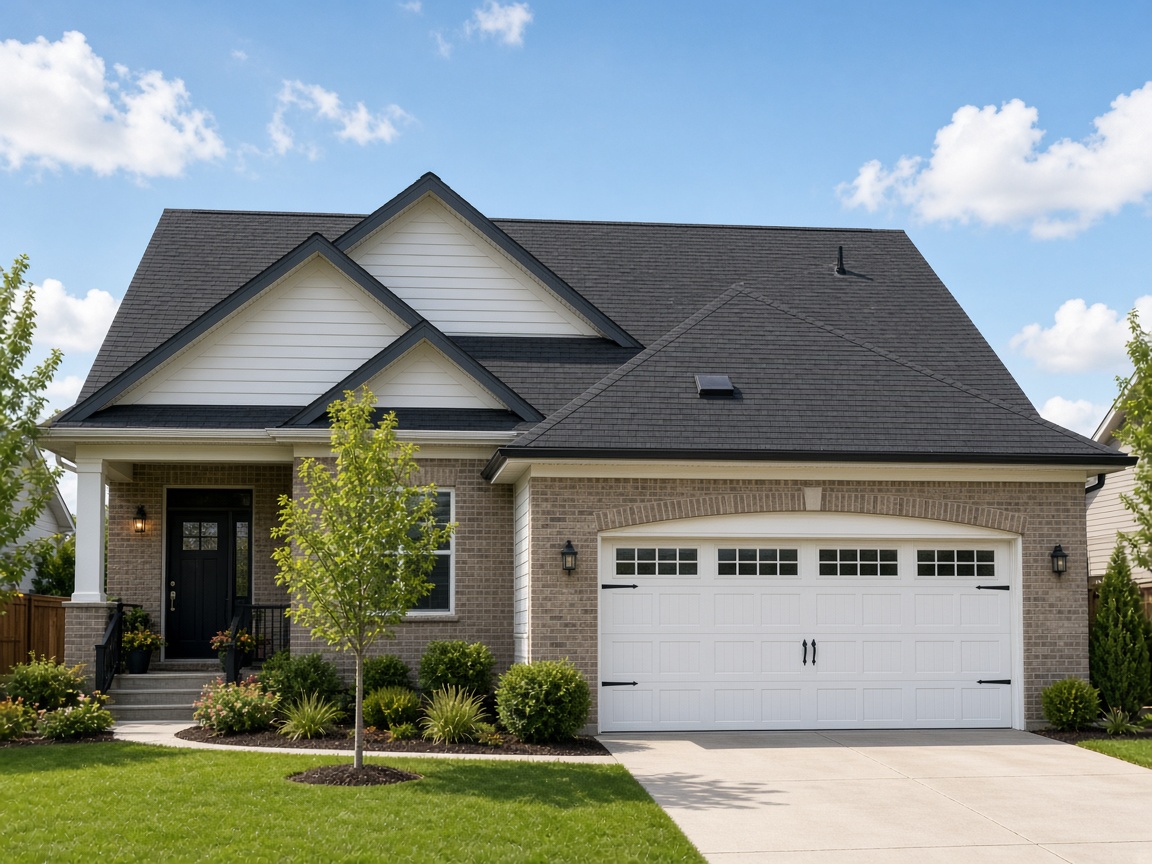
Roof work is more than shingles visible from the curb. We inspect decking, drip edge, ice barriers at eaves, and attic intake so the assembly sheds water and breathes. When flashing around chimneys or skylights fails, stains appear far from the leak source; our crews map pathways and replace compromised metal rather than patching over rust.
Storm damage often exposes whether prior repairs were cosmetic. We document lifted tabs, granule loss, and soft spots, then explain repair versus replacement with photos you can share with insurers or future buyers. Ventilation upgrades paired with new roofing reduce attic heat that ages asphalt from underneath.
Kitchens built for daily rhythm
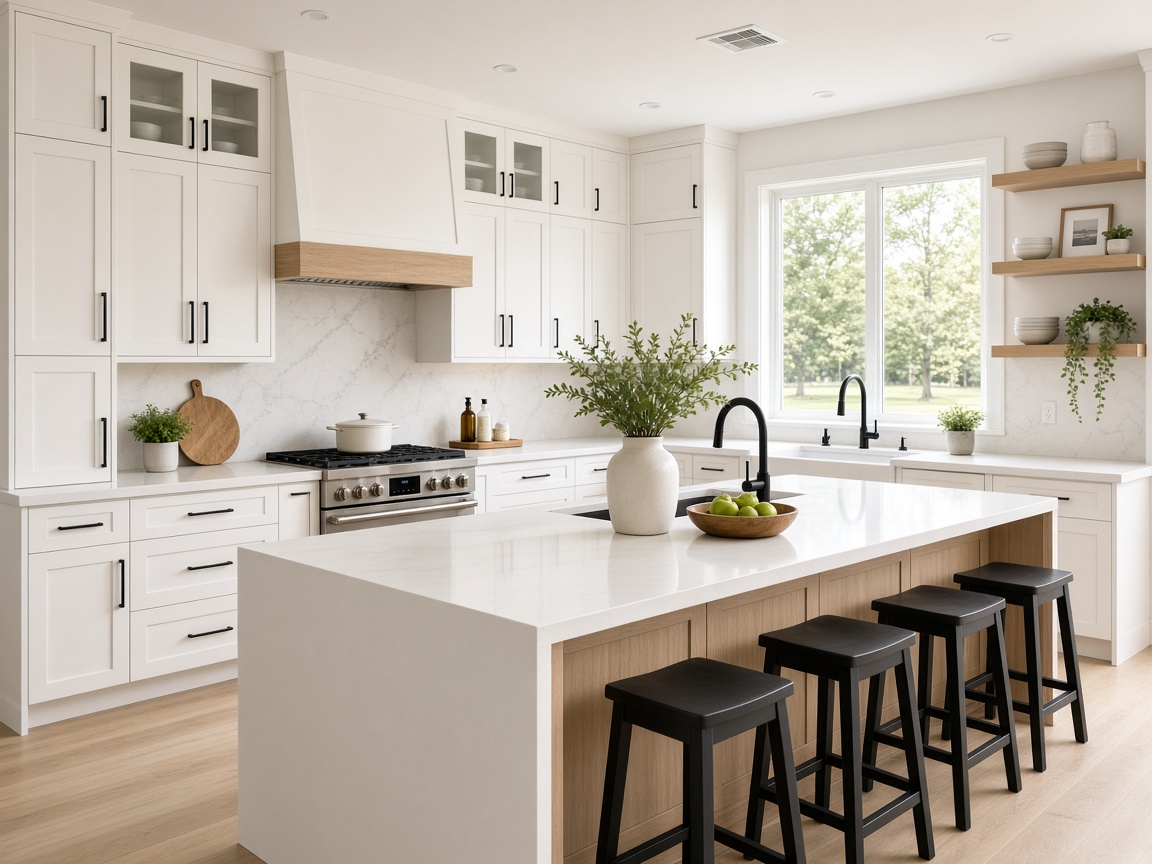
Layout drives satisfaction more than cabinet brand. We measure clearances for drawers, dishwasher swing, and refrigerator doors, then adjust island depth so walkways stay open when two people prep meals. Plumbing moves are planned before demo so shutoffs remain accessible after cabinets install.
Lighting layers matter: task strips under uppers, ambient cans on dimmers, and a focal fixture over islands. We coordinate rough-in with electricians before drywall closes, and we verify GFCI protection anywhere water and outlets meet code expectations for wet zones.
Bathrooms that manage moisture
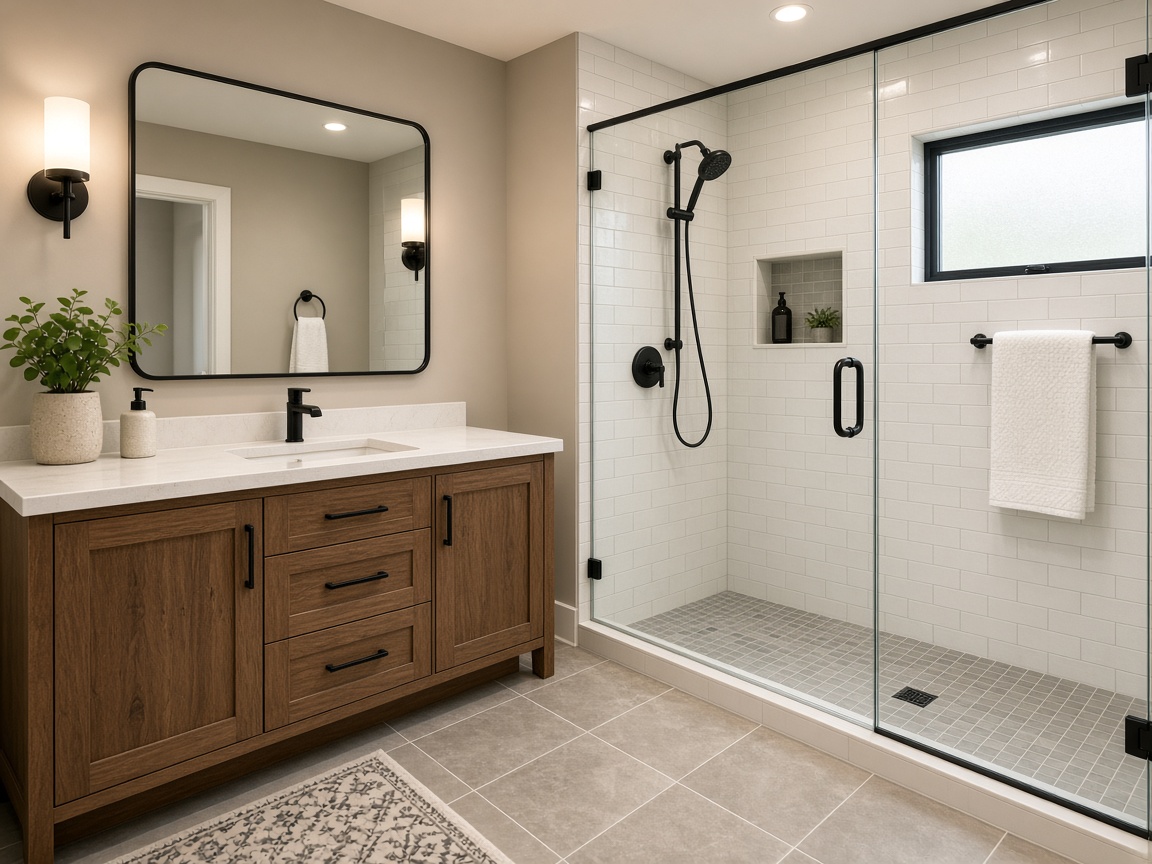
Tile looks effortless when waterproofing is meticulous. We flood-test pans, seal niches, and use cement board where steam concentrates. Fan capacity is matched to room volume so mirrors clear quickly; duct runs are kept short and insulated to limit condensation in cold seasons.
Fixture heights follow the people using them. We confirm towel bar reach, shower valve placement, and vanity knee space for seated grooming. Glass enclosures get slope on curbs so water returns to drains instead of pooling on floors outside the stall.
Trades working in sequence
Remodeling succeeds when trades hand off clean work. Framers leave straight walls for drywall; plumbers pressure-test before insulation covers pipes; painters seal cut lines only after final hardware is fitted. Our supers maintain a live schedule so electricians are not waiting on incomplete framing and tile setters are not cutting around unset cabinets.
Dust control protects HVAC systems. We isolate work zones with zipper doors, run HEPA scrubbers on sanding days, and change return filters after heavy demolition. That discipline keeps living areas usable when only part of the home is under construction.
Repairs with the same standards as remodels
Small jobs receive the same documentation as large additions. A leaking supply line gets a photo of the repaired coupling; a sagging deck board includes notes on joist condition. Homeowners gain a paper trail that simplifies future service calls because we know what was replaced and when.
We stock common fasteners, sealants, and trim profiles on service trucks to finish same-day whenever safe. When a repair uncovers deeper rot, we pause, explain options, and provide a written path forward before expanding scope.
Our story
iphonego Homes began when a small roofing crew kept getting asked to fix flashing above kitchens they had never touched. Rather than patch and disappear, they partnered with remodelers who understood how water travels along rafters and shows up as bubbling paint miles away. That collaboration became a company culture: every trade speaks the same language about sequencing, cleanup, and respect for occupied homes.
Today our supers manage portfolios that range from emergency tarping after wind events to multi-room gut remodels with new MEP routing. We invest in continuing education for code updates, fall protection, and low-dust demolition tools because clients invite us into bedrooms and nurseries—not just empty investment properties.
Team on every job

Nadia Cole
Project manager

Marcus Hale
Roofing lead

Priya Shah
Electrician

Leo Mendez
Plumber

Ethan Brooks
Lead carpenter

Hannah Ortiz
Painter
Gallery highlights
Community commitment
We sponsor local trade apprenticeships and donate leftover usable materials to habitat repair programs when clients approve. Job sites are left broom-clean, nails collected, and landscaping protected with plywood paths where foot traffic would compact soil.